With election day just around the corner, tension surrounding Michigan’s high-stakes U.S. Senate race has reached a flashpoint, surfacing lingering ideological divides and debates over political tactics in the closing stretch of the campaign.
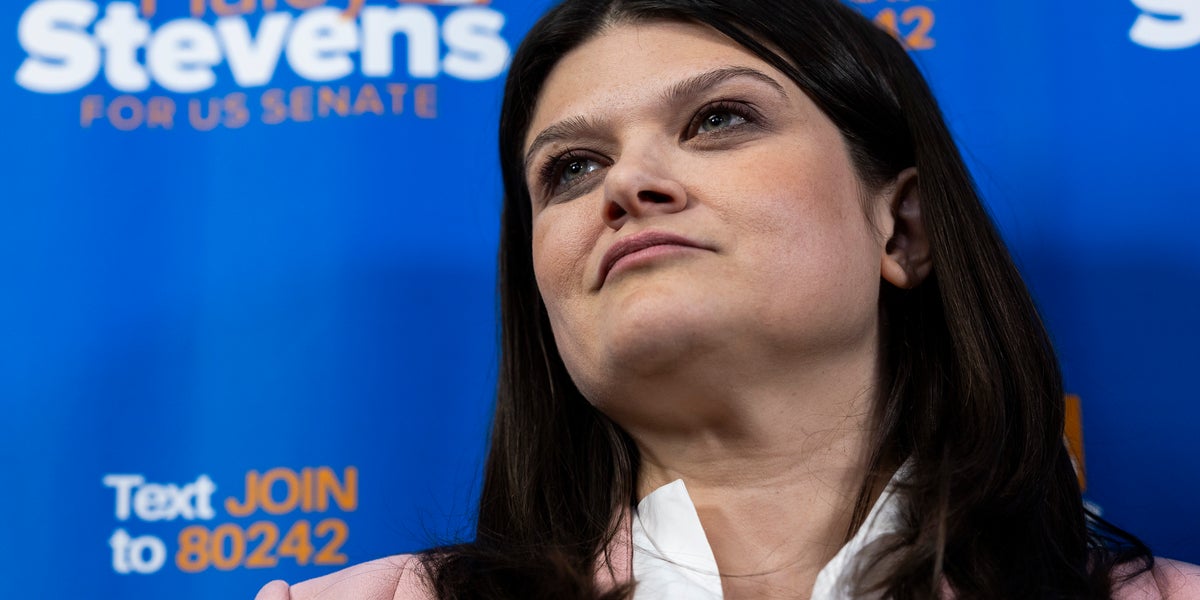
The friction escalated after former primary candidate Rep. Haley Stevens publicly urged Democratic Senate nominee Abdul El-Sayed to withdraw an advertisement featuring conservative political commentator Tucker Carlson, while also demanding that El-Sayed condemn a third-party advertisement concerning U.S. foreign policy and domestic grocery prices.
The Controversy Over Campaign Advertisements
The dispute centers on two separate media buys that sparked intense debate over messaging and electoral outreach strategies in the state.
The first involved an independent advertisement produced by Rebellion PAC, a political action committee originally registered to support a previous congressional campaign. The minute-long commercial depicts a couple in a grocery store discussing food costs, linking inflation and everyday household expenses to foreign military aid expenditures.
In response to public scrutiny regarding the commercial, representatives for El-Sayed clarified that the advertisement was completely unaffiliated with his official Senate campaign.
Simultaneously, Stevens directed criticism toward a separate, official campaign advertisement released by El-Sayed. That advertisement incorporated clips of various prominent conservative media figures—including Carlson—critiquing Republican opponent Mike Rogers. In the spot, Carlson is shown expressing opposition to Rogers, a move intended to appeal to disaffected conservative voters who remain skeptical of established Republican figures.
Stevens characterized the inclusion of Carlson as an insult, raising concerns about using clips from controversial right-wing personalities, particularly when addressing diverse coalition voters in Michigan.
Differing Approaches to Voter Outreach
The debate highlights a broader disagreement over how political campaigns should cross party lines to capture uncommitted or moderate voters in a key swing state. Proponents of the campaign's approach argue that utilizing quotes from conservative figures is a standard tactical maneuver to diminish an opponent's appeal among right-leaning voters.
"It was an ad targeted to disaffected Republicans. Funny how centrists trying to appeal to Republicans is smart politics, but lefties trying to do it is always framed as courting bigotry."
Others contended that the brief clip was blown out of proportion given the context of general election messaging, asserting that using an opponent's internal critics against them is standard campaign procedure.
"When I first heard about this ad, I pulled it up and I thought the characterization of Tucker’s cameo as 'featured' as the headlines were suggesting was way overblown."
Conversely, critics maintained that any elevated platform given to divisive figures risks alienating core coalition demographics whose support is essential for victory.
"Two things can be true: Haley Stevens is a piece of shit who should not have a future in dem politics and including an ad with Tucker Carlson when you are trying to fight off accusations of antisemitism is a dumb decision."
A Crucial Test for Statewide Coalitions
As candidate appearances and campaign stops continue leading up to election day, the disagreement highlights the challenges candidates face in balancing coalition unity with aggressive electoral outreach. Whether using unconventional campaign tactics will effectively sway undecided voters or inadvertently create friction among party loyalists remains a crucial variable in Michigan's highly competitive political landscape.

