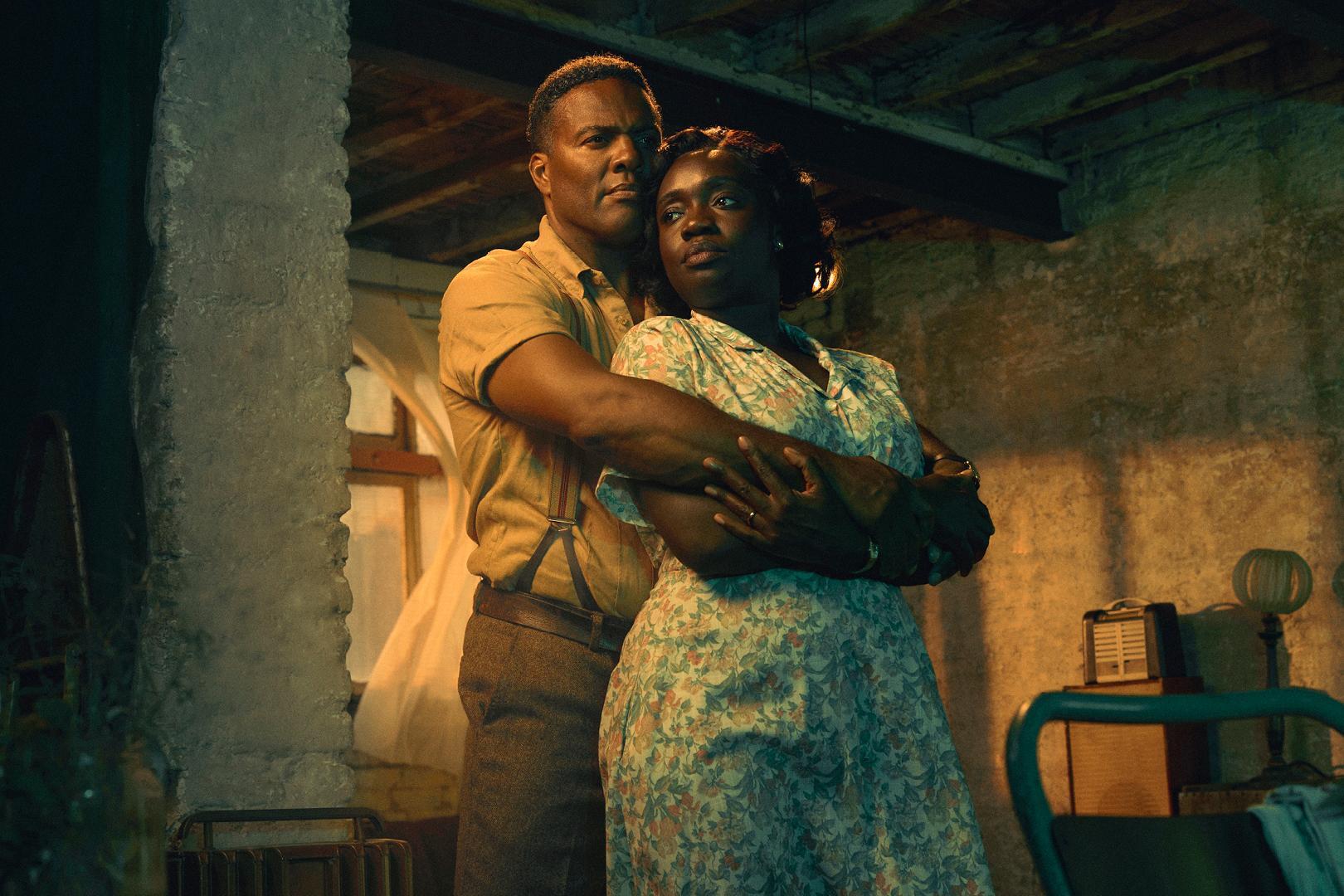
There is a very specific kind of heartbreak that happens when you watch a brilliant person weaponize their own survival tactics against the people who love them most.
If you take a step back and think about it, August Wilson's work has always functioned as a sort of cultural X-ray machine. When I look at Fences—especially in this blistering, intimately devastating new revival directed by Daniel Bailey at the Lyric Hammersmith—I am constantly struck by how little we have evolved past our ancestral cages. We still build barricades around our hearts and our homes, convincing ourselves that exclusion is the same thing as protection. Personally, I think we misunderstand Troy Maxson almost every time we try to judge him through a modern moral lens. He isn't just a complicated character; he is a walking monument to the psychological shrapnel left behind when a society denies you a future while demanding your labor.
The Architecture of Defensive Living
What makes this production so arresting isn't just the sheer emotional weight of the text, but how the physical space mirrors the internal decay of the characters. Lily Arnold's set design—a peeling, two-story house facade that occasionally rotates 360 degrees—feels less like a backdrop and more like an active participant in the tragedy.
In my opinion, the literal and metaphorical fence that Troy spends the entire play building is one of the most brilliant theatrical symbols of the twentieth century. But what many people don't realize is that a fence is never neutral. When you hammer wood together in the yard of a home in 1950s Pittsburgh, you are engaging in an act of desperation. Is Troy trying to keep the hostile world out, or is he terrified that if he drops his guard, his family will see how utterly hollowed out he is by his own compromises? A detail that I find especially interesting is how the staging uses the windows and stairs to trap the characters in perpetual view, reminding us that domestic life under oppression is a fishbowl. What this really suggests is that when the outside world treats your existence as a violation, your home ceases to be a sanctuary and becomes a bunker.
The Tragedy of Inherited Defiance
Ray Fearon’s performance as Troy is a masterclass in duality, shifting from magnetic, charismatic warmth to an ugly, defensive menace in the blink of an eye. What makes this portrayal fascinating is how it refuses to sanitize his cruelty. The play never lets Troy off the hook for the way he diminishes his sons, yet it forces us to look at the machinery that manufactured his bitterness.
When a man has had his dreams of athletic greatness crushed by structural racism before the door was ever truly open, his ego becomes the only piece of armor he has left. Consequently, when his son Cory dares to dream of a different path—seeking a future outside the narrow corridors of survival Troy carved out—Troy doesn't see a boy with potential; he sees an existential threat to the narrative that his own suffering was necessary. One thing that immediately stands out in the generational friction here is how ambition becomes a battleground. We love to talk about generational trauma as if it's some invisible fog, but Fences shows us that it is actually a hammer, swung by people who think they are teaching you how to survive the storm.
The Collateral Damage of Endurance
From my perspective, the true emotional anchor of the evening isn't just the father-son war, but the catastrophic collateral damage absorbed by Rose, played with breathtaking, righteous fury by Madeline Appiah.
When Troy's infidelity shatters the fragile architecture of their marriage, Appiah unleashes a tidal wave of hurt that recontextualizes every sacrifice she has ever made. What so often goes unsaid in discussions of classic American drama is the immense, grinding toll placed on women who are expected to anchor the wounded egos of broken men. Rose didn't just play a supporting role in Troy's life; she spent decades editing herself down to fit inside the margins of his pride. When she finally confronts him, it feels like an earthquake because she is dismantling the entire mythology of the self-sacrificing martyr right in front of our eyes.
The Lingering Echo
If you step away from the theatre and look at the broader cultural landscape, this revival reminds us why August Wilson remains unmatched. He doesn't write issue plays; he writes ghost stories about living people.
What this production ultimately leaves you with is a lingering unease about the boundaries we draw around ourselves today. We might live in a different century with different technology, but the impulse to shut out the pain of a changing world by shutting in our loved ones remains stubbornly intact. The tragedy of Troy Maxson is that he spent his entire life building a fortress, only to realize too late that he was the only prisoner inside it.