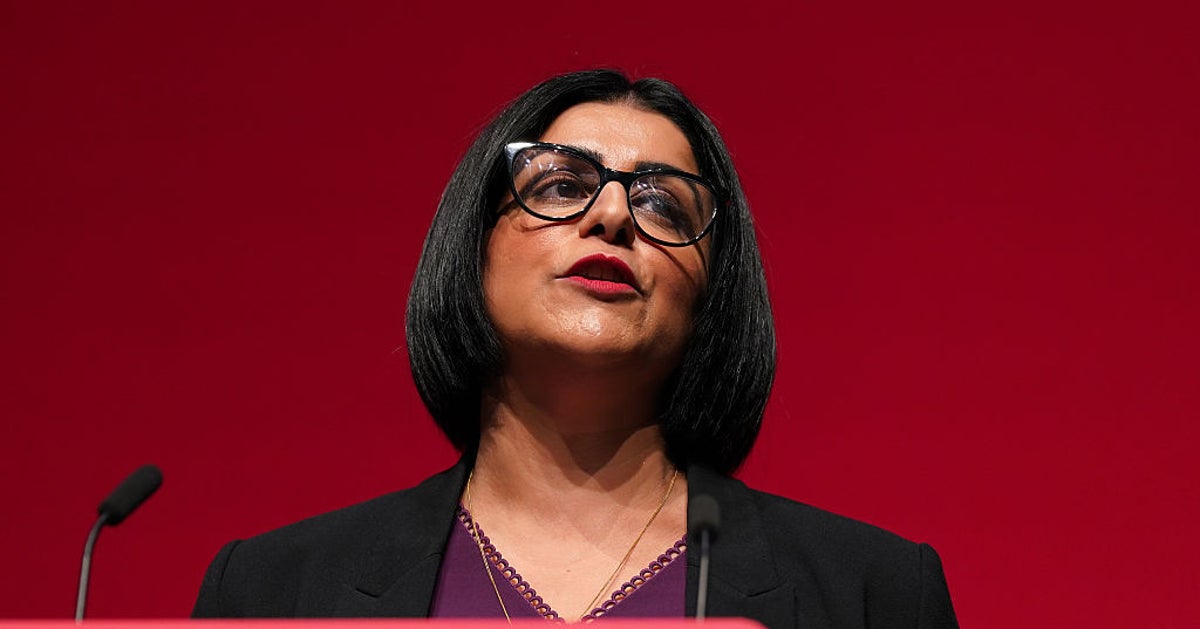
Home Secretary Shabana Mahmood is expected to announce a significant retreat from her proposed immigration crackdown following weeks of mounting pressure within the Labour government. The long-awaited reforms, scheduled to be detailed in a House of Commons statement, have exposed deep ideological rifts across the party's leadership and parliamentary ranks.
At the center of the dispute was Mahmood’s initial proposal to extend the waiting period for legal migrants seeking indefinite leave to remain (ILR) from five years to up to 15 years. The policy, pitched earlier this year as a essential measure to manage public resources, aimed to restrict settlement and subsequent benefit access for an estimated 350,000 low-skilled workers and their dependents over the next five years.
Cabinet Rifts and Internal Opposition
The proposed tightening of settlement rules triggered immediate resistance from senior cabinet figures. Deputy Prime Minister Angela Rayner publicly criticized elements of the proposal as "un-British," while Energy Secretary Miatta Fahnbulleh repeatedly declined to endorse the measures during broadcast interviews. Further pressure mounted as Prime Minister Andy Burnham, while maintaining that settlement should remain a "right to be earned," conspicuously stopped short of endorsing the full scope of Mahmood's initial package.
Signaling a shift ahead of the Commons statement, Mahmood hinted at the Labour Party conference that concessions were likely in order to build consensus across the party. Under the expected compromise, foreign care workers currently residing and working in the UK will be exempted from the extended waiting periods, preserving standard pathways to settlement for a sector heavily reliant on overseas labor.
Broad Criticism and Political Fallout
The expected concession has satisfied neither the government's internal critics nor its political opponents. Opposition figures have seized on the move as a complete capitulation to the party's left wing, arguing that exempting large categories of workers undermines the economic rationale for reforming settlement rules.
Within public discussions, the retreat has drawn mixed reactions, reflecting broader national debates over social care funding, wage growth, and public services. Some commentators emphasize the economic necessity of foreign labor in crucial sectors:
"Because those ‘soft backbenchers’ have a brain; they know that literally no one in the UK wants to work in the social care sector and that’s why we need immigrants. They also have basic human decency to know that we should treat people fairly when those people sacrifice themselves to come to this country because of our promise."
Others argue that relying on foreign labor delays necessary structural reforms within the domestic workforce:
"Brits have begun moving away from it because its wages, and subsequently its quality, have been suppressed by cheap imported labour. This is the easy choice to meet short term financial deadlines. Its not the right choice."
Managing Demographic and Fiscal Pressures
The debate highlights the delicate balancing act facing ministers as they attempt to balance public demands for controlled migration with the practical fiscal pressures on local government services, particularly social care. With demographic shifts placing increasing demands on adult social care budgets nationwide, policymakers remain divided on whether wage increases or international recruitment offer the most viable path forward.
As the Home Secretary prepares to lay out the revised framework, the government faces the challenge of preserving party unity while delivering a coherent strategy on immigration and public service delivery.

