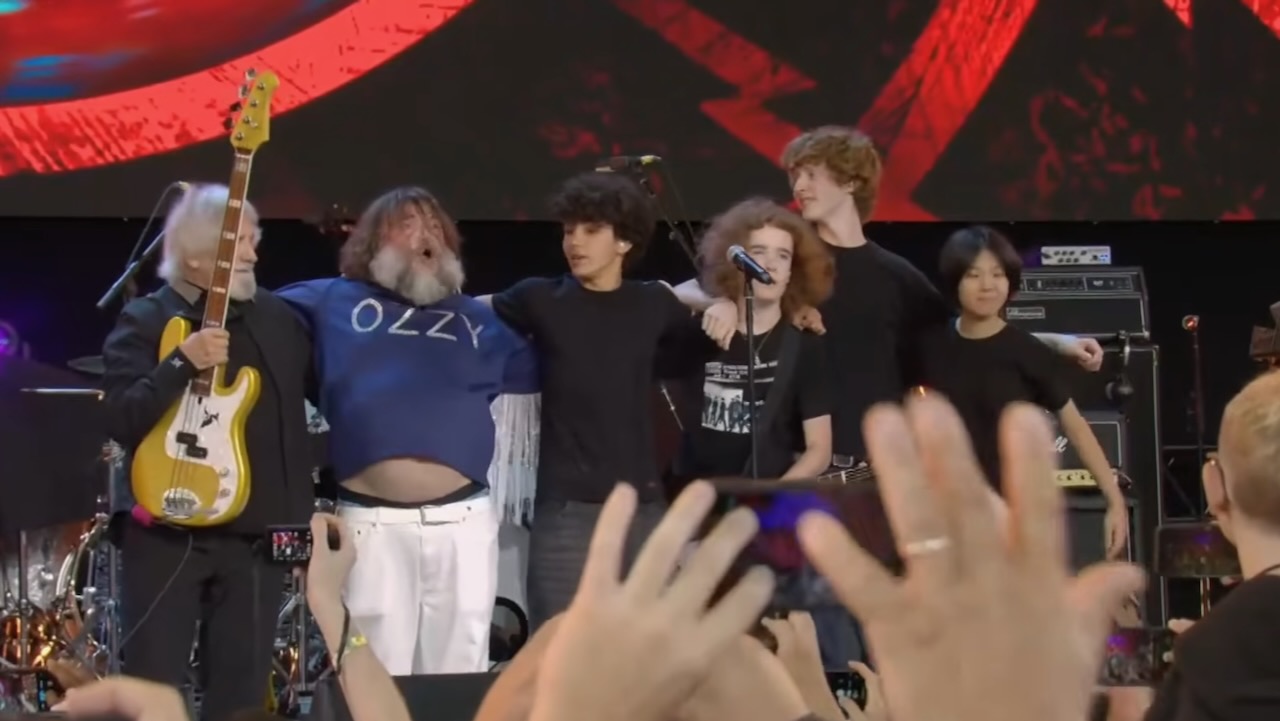
When I first heard about Jack Black’s Jack Sabbath set at Tom Morello’s Power to the People Fest, I couldn’t help but smile. There’s something inherently delightful about seeing a comedian-turned-rocker pay homage to one of the most iconic bands in heavy metal history. But what makes this particularly fascinating is the way it blends nostalgia, mentorship, and a touch of the unexpected. It’s not just a tribute; it’s a cultural moment that speaks to the enduring legacy of Black Sabbath and the evolving nature of rock music itself.
The Unexpected Fusion of Comedy and Metal
Jack Black, known for his comedic genius in films like School of Rock and his musical antics with Tenacious D, stepping into the shoes of Ozzy Osbourne? On paper, it sounds like a recipe for either brilliance or disaster. But what many people don’t realize is that Black has always been a genuine rock enthusiast. His performance of Mr. Crowley wasn’t just a parody; it was a heartfelt tribute delivered with the energy of a true fan. Personally, I think this is where the magic lies—in the authenticity of his passion. It’s easy to dismiss it as a novelty act, but Black’s commitment to the material, right down to learning harmonica for The Wizard, shows a depth of respect for the genre.
The Next Generation Takes the Stage
One thing that immediately stands out is the inclusion of teenagers in the band, including Tom Morello’s son Roman and Scott Ian’s son Revel. This isn’t just a gimmick; it’s a passing of the torch. Rock music, often seen as a relic of the past, is being handed down to a new generation. From my perspective, this is both heartening and symbolic. It raises a deeper question: Can rock survive in an era dominated by pop and hip-hop? Watching Roman Morello hold his own alongside Geezer Butler during War Pigs suggests that the answer might be yes. There’s a raw, unfiltered energy in these young musicians that feels like a rebellion against the polished, auto-tuned sounds of today.
Geezer Butler’s Surprise Appearance: A Bridge Between Eras
A detail that I find especially interesting is Geezer Butler’s surprise appearance. Here’s a man who helped define the sound of heavy metal in the 1970s, sharing the stage with a comedian-turned-rocker and a group of teenagers. What this really suggests is that music, at its core, is about connection—across generations, genres, and even professions. Butler’s presence wasn’t just a nod to the past; it was a validation of the future. If you take a step back and think about it, moments like these are rare. They remind us that the spirit of rock isn’t confined to a specific time or place; it’s alive in anyone willing to pick up a guitar and make some noise.
The Broader Implications: Rock’s Place in Modern Culture
This raises a deeper question: What does it mean for rock music in 2023? In an era where streaming algorithms favor pop and hip-hop, rock often feels like an afterthought. But events like this remind us that the genre still has the power to inspire, to unite, and to surprise. Personally, I think rock’s survival depends on its ability to adapt—to embrace new voices, new styles, and even new personalities like Jack Black. It’s not about clinging to the past but about finding ways to keep the flame alive.
Final Thoughts: A Celebration of Music’s Timelessness
As I reflect on Jack Sabbath’s set, what strikes me most is its ability to transcend labels. It wasn’t just a tribute to Black Sabbath; it was a celebration of music’s timelessness. From the seasoned Geezer Butler to the wide-eyed teenagers on stage, everyone was united by a shared love for the craft. In my opinion, that’s the real power of music—its ability to bring people together, regardless of age, background, or profession.
So, the next time someone tells you rock is dead, point them to moments like this. Because if Jack Black and a group of teenagers can breathe new life into War Pigs, there’s still hope for the genre yet. What this really suggests is that rock isn’t just a sound; it’s a spirit—and that spirit is very much alive.