Republicans in Disarray as Midterm Anxiety Grows
The Republican Party is in a state of disarray as the November midterms draw near, with internal tensions and blame-shifting taking center stage. With polls indicating a potential loss of seats, Republicans are grappling with the impact of President Trump's policies and their own campaign strategies.
Trump's Policies and Approval Ratings in the Spotlight
The party's woes are partly attributed to Trump's policies and approval ratings. Some Republican lawmakers believe the president's low approval numbers are a significant hurdle in their campaigns. The war with Iran and rising fuel prices have put Republican candidates in a tight spot, as they must defend the administration while convincing voters to support their own records.
Tariffs and Trade Policies Create Divisions
Tariffs have further divided the party, particularly among farmers affected by the administration's trade policies. The challenge lies in the potential for voters to punish Republican candidates in congressional races if they are dissatisfied with the White House. This has led to a wider range of competitive House contests, putting pressure on incumbents to justify their support for the administration.
A Party Divided: Loyalty vs. Voter Sentiment
Republican candidates are torn between loyalty to the president and the need to address voter concerns about the economy and the Iran conflict. Some have distanced themselves from Trump on specific issues, while others remain staunch defenders of his agenda. This internal conflict reflects a party struggling to balance loyalty with electoral strategy.
Criticism Turns Inward: NRCC Under Fire
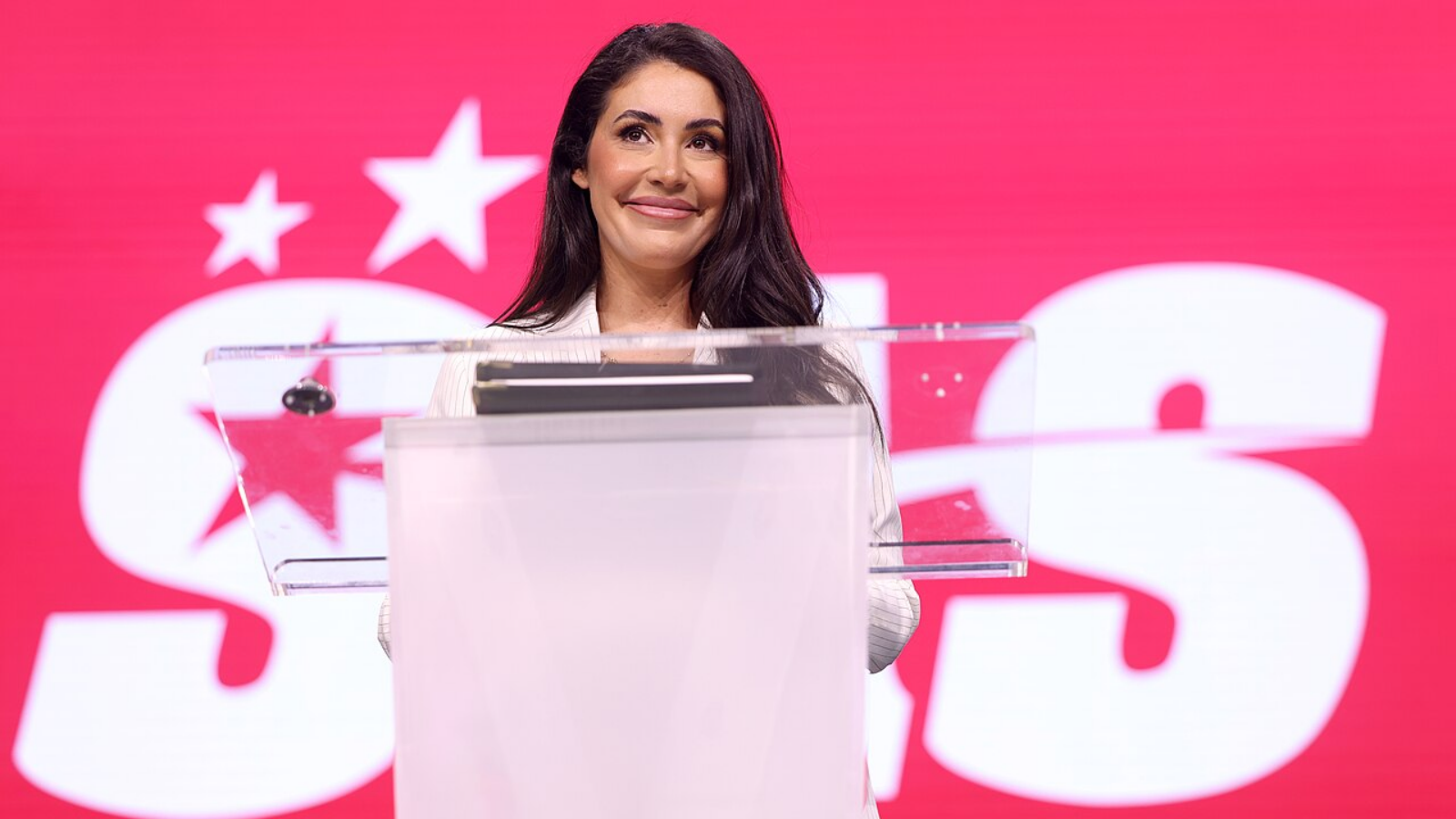
The criticism has also been directed at the party's own leadership. Florida Representative Anna Paulina Luna, a Trump ally, publicly questioned the National Republican Congressional Committee (NRCC) and accused party leaders of prioritizing donor dinners over winning elections. Other House Republicans have expressed frustration with the NRCC's response to the worsening electoral map, claiming they are 'living in a bubble.'
Blame Game Begins Before the Votes are Cast
The disagreement highlights a concerning trend: candidates and party officials are already arguing over who to blame if Republicans lose seats. The NRCC has disputed claims of inaction, stating they have launched coordinated advertising campaigns in districts initially considered non-competitive. However, the blame game is well underway, even before voters have cast their ballots.
Party Leaders' Messaging Dilemma
House Speaker Mike Johnson has focused on contrasting Republicans with Democrats, painting the opposition as socialists. However, some Republican officials want candidates to offer a more positive message, emphasizing how they can improve voters' finances. This debate over messaging is accompanied by tensions over the party's future leadership, with factions preparing to assign blame in the event of significant losses.
A Party in Crisis as Midterms Loom
As the midterms approach, Republicans find themselves in a crisis. They must convince voters that their policies can improve household finances while simultaneously managing internal disputes that threaten to undermine their campaigns. The party's ability to unite and present a coherent message will be crucial in the coming weeks, as they strive to retain their majorities.

