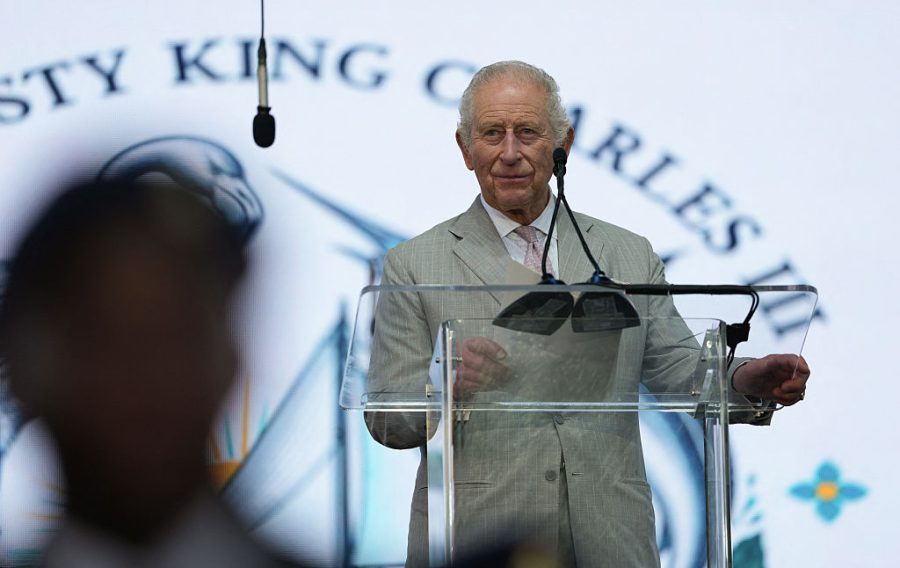
The persistent debate over whether modern nations and institutional figures should issue formal apologies for historical atrocities—most notably the transatlantic slave trade—surface regularly in political and media discourse. Critics of these ongoing demands argue that applying contemporary moral standards to past centuries fundamentally misunderstands how history works. Societies evolve, and moral frameworks that seem self-evident today were entirely alien to past generations.
To understand this disconnect, historians often point to other pervasive historical ideologies that now seem equally incomprehensible. For centuries, providentialism—the belief that every earthly event, from weather patterns to political upheavals, was directly orchestrated by divine will—was mainstream and virtually unquestioned. Similarly, entrenched beliefs regarding social hierarchy, rigid class structures, and the natural subordination of the poor or uneducated were accepted across European society. Intellectuals and ordinary citizens alike operated within conceptual universes shaped by assumptions that modern societies reject entirely.
Yet, while society readily accepts that historical figures embraced outdated views on religion and social order, a different standard is frequently applied to slavery. Historical research demonstrates that slavery was woven into the fabric of numerous global societies and economies across continents, involving complex networks of trade, local customs, and institutional complicity long before and during the colonial era. Recognizing these uncomfortable historical realities is essential, but critics argue that demanding performative apologies from people living centuries later for the actions of long-dead ancestors reduces complex historical processes to empty gestures.
Public reactions to these ongoing debates reflect deep divisions over accountability and symbolism. Some observers express frustration with the entire premise, noting that contemporary discussions often ignore the broader historical canvas:
We're talking about people who have never had slaves apologising to people who have never been slaves.
Others emphasize that institutions with continuous lineages, particularly hereditary monarchies, carry a different kind of historical weight, arguing that those who inherit historic titles and wealth cannot entirely disassociate themselves from the foundations upon which that status was built. Meanwhile, many commentators point out that slavery was a widespread global phenomenon practiced by numerous civilizations across history, making selective moral outrage against a single nation illogical.
Ultimately, history is defined by change. While acknowledging past harms remains vital for historical understanding, treating ancestral actions as burdens for the living risks turning historical analysis into a theater of perpetual penance.

