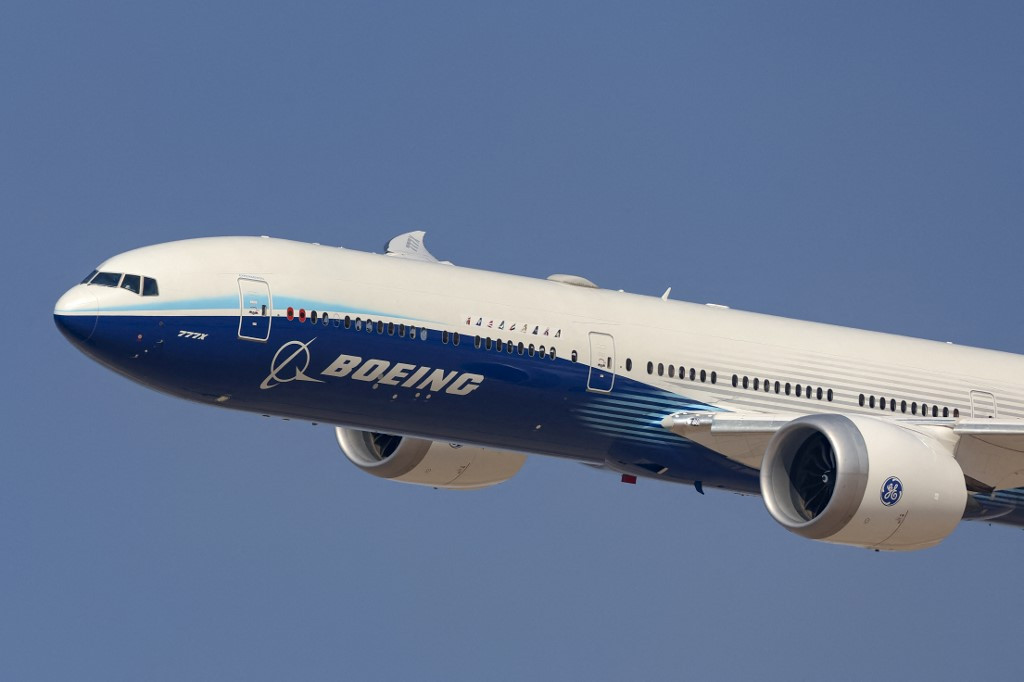
A decision by the U.S. Department of Commerce has significantly eased restrictions on Belarus’s national airline, Belavia, opening a fresh pathway for commercial aircraft components to circulate across Eastern Europe. Through a official letter issued by the Bureau of Industry and Security (BIS), American authorities effectively rolled back enforcement measures that had constrained the carrier since the spring of 2022. The move restores the airline's ability to legally acquire software updates, technical services, and manufacturer-approved spare parts directly from Boeing for specific passenger jets in its active fleet.
Under the updated regulatory stance, nine specific Boeing 737 aircraft operated by Belavia are authorized to receive U.S.-made parts and technical support. While American officials specified that these components are designated solely for maintaining the safety and airworthiness of those specific airframes, industry analysts note that the practical boundaries of such restrictions are notoriously difficult to enforce once material enters the region.
The Operational Reality of Regional Aviation
Since the imposition of comprehensive Western trade restrictions, commercial aviation across both Russia and Belarus has faced growing maintenance challenges. Foreign lessors repossessed dozens of airframes, while remaining fleets struggled to secure factory-certified replacements. To maintain flight schedules, operators increasingly turned to alternative procurement routes through non-sanctioned third countries, secondary markets, and the cannibalization of older airframes.
Despite formal prohibitions built into the regulatory framework—which explicitly restrict authorized aircraft from operating routes into conflict zones or designated territories—flight tracking data reveals that commercial air travel between Minsk and Russian transport hubs like Moscow, St. Petersburg, and Kaliningrad has remained continuous. Industry observers point out that Belarusian state and commercial maintenance infrastructure has long provided technical support to the broader commercial fleet operating throughout the region.
Broad Impact and Industry Reactions
The policy shift has ignited sharp debate among foreign policy experts, aviation analysts, and international observers. Critics contend that easing technical barriers for one carrier inevitably creates spillover benefits for neighboring markets struggling under similar constraints. As one observer framed the setup:
"If I’ve got this right, the Belarusian airline’s fleet is about to balloon thanks to purchases of new Boeing aircraft that will conveniently end up leased to Russian airlines. And just as conveniently, the Belarusian carrier will suddenly find itself holding a pile of Russian aircraft on lease, with critical spare parts bought for them."
Others take a more pragmatic view of civilian aviation safety, arguing that preventing commercial airliner maintenance carries inherent human risks regardless of political boundaries. Proponents of passenger safety measures highlight that compromised supply chains force carriers to rely on uncertified components or deferred maintenance, increasing the incidence of mid-air mechanical faults. From this perspective, ensuring the airworthiness of civilian transport protects innocent travelers on routine commercial routes.
Geopolitical Considerations and Future Supply Chains
The regulatory easing follows broader diplomatic shifts, including previous agreements that secured the release of dozens of political prisoners held in Belarus. However, questions remain regarding how European partners and regional neighbors will handle the logistical flow of aerospace hardware moving toward the eastern border.
Because Boeing components bound for Eastern Europe frequently traverse intermediary transit hubs, regional authorities retain administrative choices on how strictly to scrutinize cross-border shipments. Whether this policy shift remains limited to a specific nine-aircraft fleet or expands into broader commercial access will depend on how rigorously international supply chain audits are maintained in the months ahead.

