The rising cost of borrowing has become a significant concern for households across the United States, with mortgage and car loan rates reaching their highest levels in years. This trend is particularly concerning given the already high inflation rates and the essential nature of these purchases for many individuals.
One such individual is Carrie Goldstein, who, like many others, is facing a difficult decision due to the current economic climate. Her dream of moving to a walkable suburb with a quaint downtown and access to Lake Erie is being thwarted by the high mortgage rates and home prices.
The Impact on Homeownership
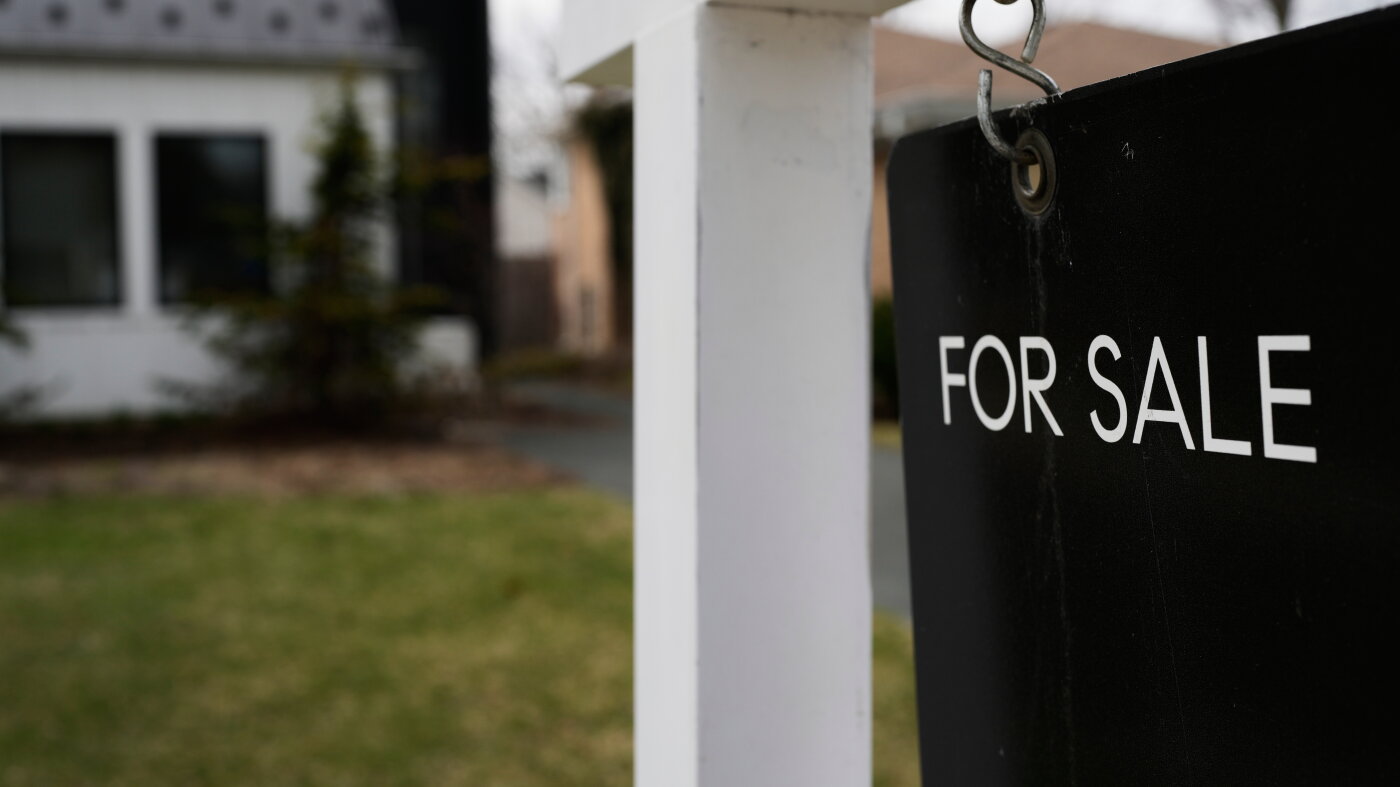
The housing market is a prime example of how rising borrowing costs affect households. Despite initially falling at the start of the year, mortgage rates have skyrocketed due to various economic factors, including the U.S. war with Iran and the resulting bond market volatility.
The current average 30-year fixed-rate mortgage stands at 7.28%, which translates to a significant increase in monthly payments compared to the pandemic-era rates of around 3%. This has led to a decrease in existing house sales, with the National Association of Realtors reporting a 1.2% drop in August compared to the previous year.
Car Loans: A Double Whammy
For Goldstein, the situation is further complicated by the need for a new car. Her current vehicle, an 11-year-old model with high mileage and increasing repair costs, is no longer a viable option. However, the rising cost of car loans has made the prospect of purchasing a new vehicle daunting.
A four-year loan for a used car is now approximately three percentage points higher than at the start of 2022, making the monthly payments unaffordable for many. Goldstein's situation is reflective of a broader trend, as households grapple with the dual impact of higher borrowing costs and inflation.
The Fed's Role and Its Impact
The Federal Reserve's recent interest rate hike, the first this year, is expected to further exacerbate the situation. While the increase was modest, it adds to the overall higher borrowing costs households are facing. John Diamond, senior director of the Center for Tax and Budget Policy at the Baker Institute, highlights the cumulative effect of these increases:
"It's added to higher mortgage payments. Higher student loan payments. Higher prices because of inflation. That's what makes it really painful."
A Delayed Dream
For Goldstein, the dream of owning a home in a walkable neighborhood and driving a reliable car has been put on hold. She acknowledges that she can afford to wait, but the financial reality is disheartening. The rising costs have forced her to unsubscribe from real estate updates, accepting that her dream is, for now, unattainable.
This story is a microcosm of a larger trend, where rising borrowing costs and inflation are forcing households to delay or forgo essential purchases, impacting their overall financial well-being and long-term plans.